
Research
Four lines of work, all of them about models that can be checked: a prediction comes with the evidence behind it, whether that evidence is a region of tissue, a biological pathway, or a set of atoms.
Evidential deep learning for medical image analysis
Whole-slide pathology images are enormous and only a small part of the tissue matters. The lab builds models that pick the informative regions, turn them into a slide-level representation, and report how much evidence supports each prediction. Current work screens H&E-stained lung cancer slides for ALK rearrangements, so cases can be prioritized before molecular testing.

Multi-omics data integration for prognosis
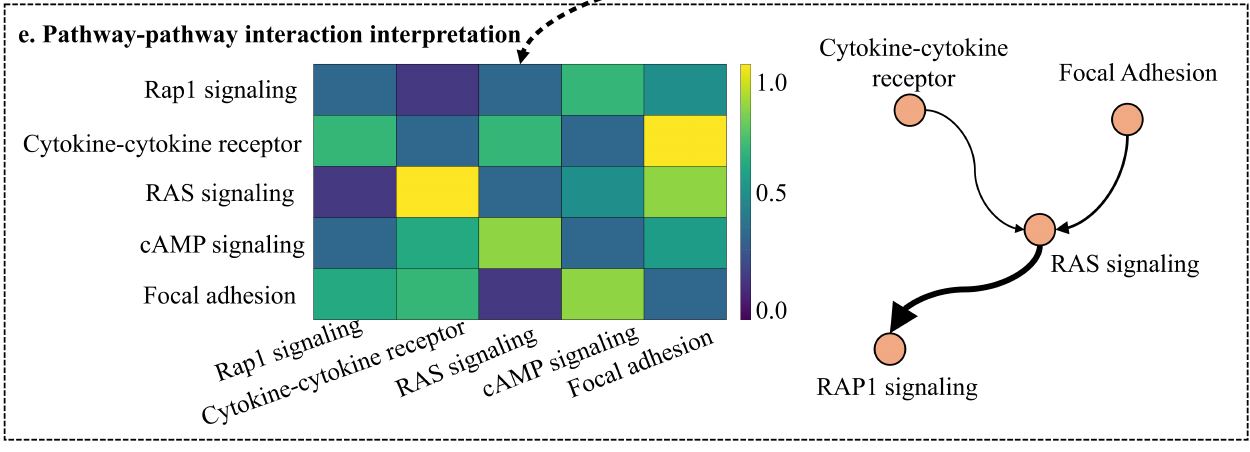
Gene expression, DNA methylation and copy number carry different parts of the same story, and pathology images carry another. The lab's models organize these around biological pathways and the interactions between them, so a survival prediction can be read as a pathway effect rather than a black-box score.
Interpretable protein sequence and structure analysis
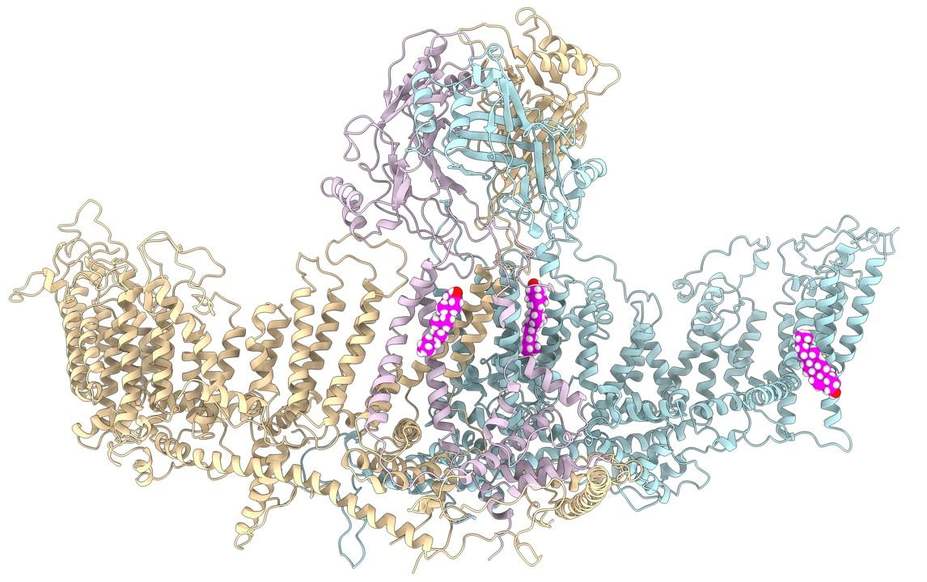
The same idea applies at molecular scale: predict enzyme function from sequence, cholesterol-binding sites from structure, or protein-compound interactions from positive examples alone, and point to the residues or atoms responsible. Much of this work is joint with the Luo Lab, which brings the molecular dynamics.
Demographic-specific electronic health records analysis
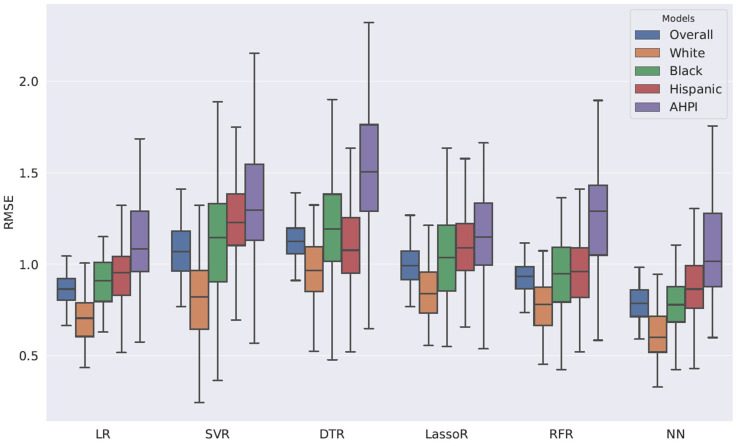
Models trained on clinical data can behave differently for different groups of patients. The lab looks at where those differences come from and what they cost, from race-specific dementia care costs in Medicare and Medicaid records to sex-common and sex-specific signals in transcriptomic data.
Other work
Earlier and side projects: document layout analysis, recommendation evaluation, missing-value imputation, dimension reduction, facial emotion recognition, and crop health from UAV imagery with the CIRCAS and Still labs at Cal Poly Pomona.