ARI Campus Grant, 2026–2027
Agricultural Research Institute, the CSU's applied agricultural research consortium.
cpp.edu
My lab works across drug discovery, protein structural analysis, computational biology, computational pathology, and precision agriculture. Our projects range from analyzing pathology images and integrating them with genomic data to studying protein structures and small molecules for drug development, as well as applying computational methods to agricultural challenges.
Cal Poly Pomona students who want to do research with the lab can write to skosaraju@cpp.edu.
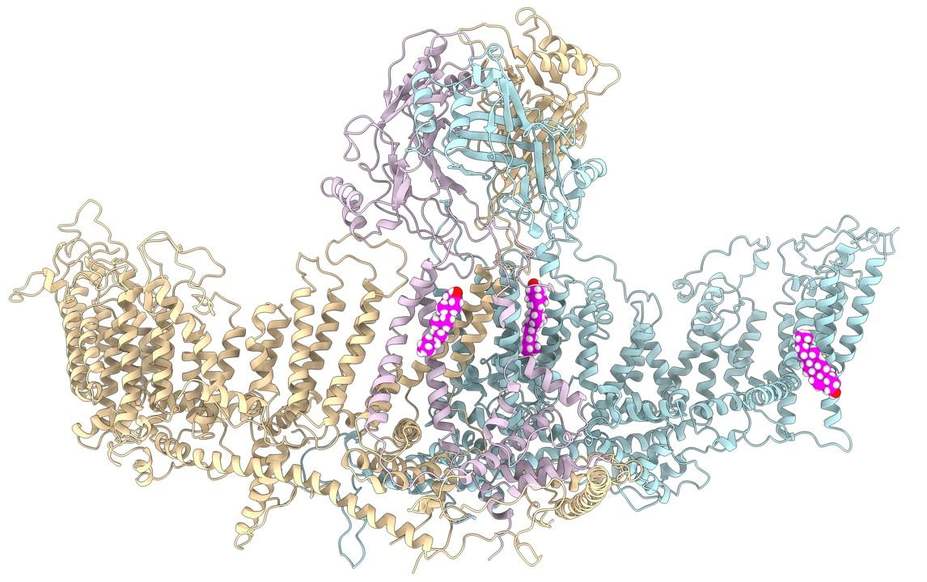

From CholBindNet (Communications Chemistry, 2026), with the Luo Lab.


Patch-level probability maps laid over the tissue, from HipoMap (Scientific Reports, 2022), ALK screening (npj Digital Medicine, 2025) and Deep-Hipo (Methods, 2020). Red is a high probability, blue a low one; outlines mark annotated regions.
Models for whole-slide pathology images that give a prediction along with how much evidence supports it. Current work screens H&E-stained lung cancer slides for ALK rearrangements.

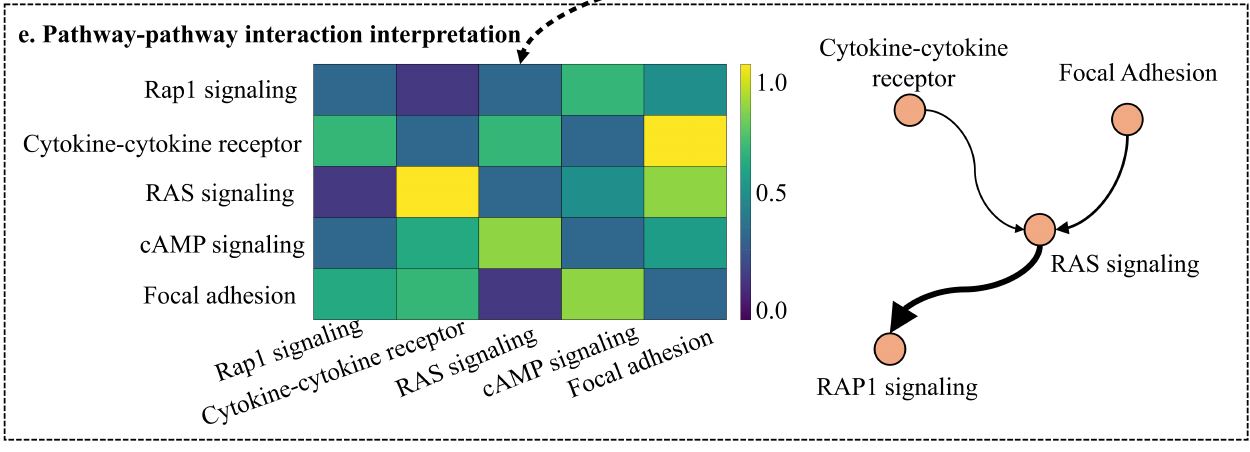
Survival and outcome prediction from gene expression, DNA methylation, copy number and pathology images, built around biological pathways so a result can be read as a pathway effect.
Predicting enzyme function, cholesterol-binding sites and protein-compound interactions in a way that points to the residues or atoms involved. With the Luo Lab, also molecular dynamics and molecule generation.
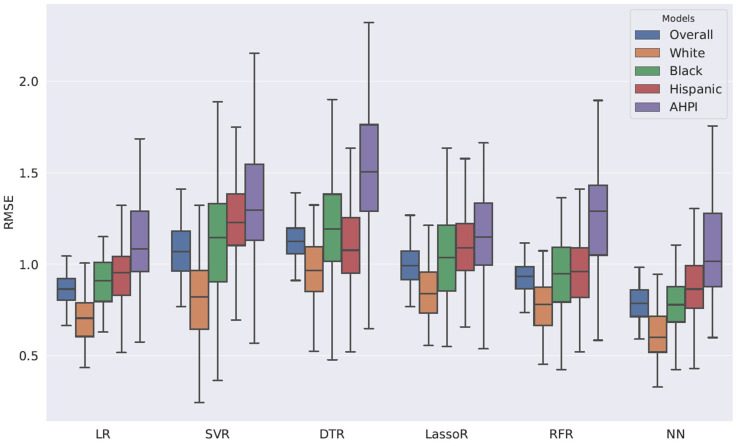
How outcomes and model behavior differ by race and sex, from dementia care costs in Medicare and Medicaid records to sex-specific signals in transcriptomic data.

Assistant Professor of Computer Science
Sai Chandra Kosaraju joined the Department of Computer Science at Cal Poly Pomona in Fall 2024. Dr. Kosaraju's research is on interpretable and evidential deep learning for health and biology: diagnosing disease from medical images, prognosis from human genomics, race- and sex-specific analysis of health records, and protein-ligand binding.
CS 4210, Machine Learning and Its Applications (Fall 2024)
CS 4990, Generative Deep Learning and Applications (Spring 2025)
The lab's work is supported by:
Agricultural Research Institute, the CSU's applied agricultural research consortium.
cpp.eduStudent fellowships from the CSU Agricultural Research Institute, funded by the USDA NIFA NextGen program.
calstate.eduWMCC provides the high-performance computing behind the lab's protein and small-molecule work.
research.westernu.eduTechnology Infrastructure for Data Exploration: NSF-funded GPU computing for CSU researchers, hosted at San Diego State.
tide.sdsu.eduThanks as well to the labs and pathologists the lab works with, listed on the People page.